
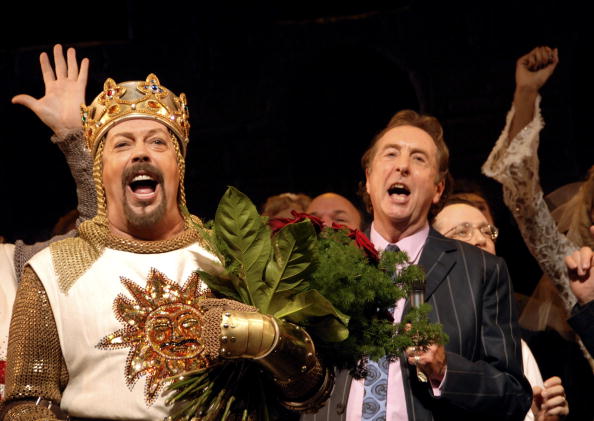
Tim Curry: The actor who made the unusual unforgettable
From Rocky Horror to Pennywise and the stage, Tim Curry built a career on wit, risk and unforgettable...

 16°C
16°C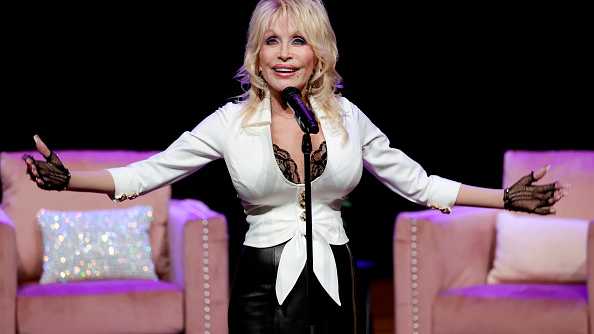
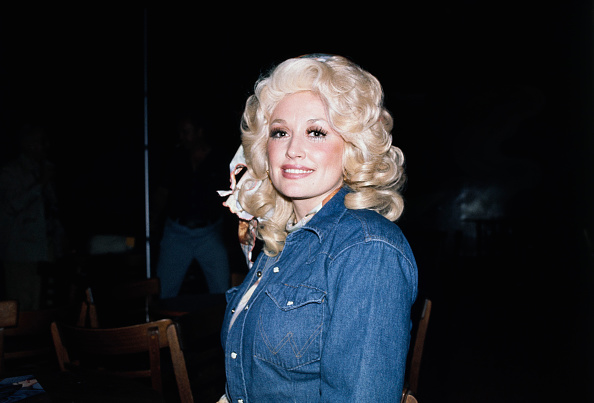
Dolly Parton, the American singer, songwriter, actor and philanthropist, has died aged 80. Her passing closes the life of a performer whose work travelled far beyond country music, while leaving behind a body of songs, films and community work that will continue to accompany people through joy, hardship and remembrance.
Parton understood that a song could hold several truths at once. It could be tender without becoming fragile, funny without losing its honesty, and deeply personal while still belonging to everyone who heard it. That gift helped make her one of the most recognisable voices in popular music, but it was her ability to make ordinary feelings feel worthy of attention that gave her work its lasting reach.
Her catalogue includes songs that have become part of the shared language of modern music. "Jolene" gave jealousy and fear a clear, urgent voice. "9 to 5" turned workplace frustration into an anthem of determination. "I Will Always Love You", first recorded by Parton and later carried to another generation through Whitney Houston's interpretation, showed the emotional strength of saying goodbye with grace. Each song began with a specific story, yet each left room for listeners to find their own.
Parton's achievements were not limited to the recording studio. Across a career spanning more than six decades, she moved between country, pop, film and television without abandoning the qualities that made her distinctive. Her performances in films including 9 to 5, The Best Little Whorehouse in Texas and Steel Magnolias revealed a performer with comic timing, dramatic warmth and a keen understanding of character.
She also helped broaden the idea of what a country artist could be. Parton was a writer, performer, producer, actor and author, but those titles only partly explain her influence. She had a rare ability to build a recognisable public identity while keeping the emotional centre of her work accessible. Glamour was part of her language, never a barrier between her and the people listening.
For many admirers, that openness was inseparable from her humour. Parton could acknowledge the artifice of celebrity while remaining serious about the craft beneath it. The bright clothes, carefully shaped hair and unmistakable voice were memorable, but they were not the whole story. They framed a disciplined working life and a songwriter's attention to detail.
Her influence was equally visible in the opportunities she created for others. Parton's career offered a model of authorship and independence at a time when women in the music business were often expected to accept narrower roles. She wrote from her own experience, protected the value of her work and used her visibility to open conversations about ambition, work, family and self-belief.
Much of Parton's power as a writer came from her refusal to treat working lives as background material. She understood the fatigue of earning a living, the quiet negotiations within families and the courage required to start again. Her characters were rarely presented as symbols or stereotypes. They were people with private hopes, difficult choices and enough resolve to keep moving. That attention to everyday experience helped her songs cross boundaries of age, class and geography.
She also understood belonging as something that can be created. A Parton performance could feel polished and carefully staged, yet the welcome at its centre was uncomplicated. Listeners did not need specialist knowledge of country music to recognise longing, pride, regret or relief. Her voice carried the texture of a life lived fully, and her work invited audiences to bring their own histories to it.
Her philanthropy gave that belief a practical form. Through the Dollywood Foundation's Imagination Library, children have received millions of books, making early reading a gift that can arrive at the front door rather than remain an advantage reserved for families with greater resources. The programme's importance lies not only in its scale, but in its simple message: a child's imagination is worth investing in.
That work reflected a broader understanding of service. Parton's public generosity was often connected to the places and people who had shaped her. She supported education, health and disaster relief, and she treated community benefit as a responsibility rather than a performance. In doing so, she showed how fame can be used to direct attention and resources towards needs that are quieter than the spotlight.
There was a consistency between the themes in Parton's songs and the causes she supported. Her writing returned again and again to people trying to make a life: workers seeking dignity, families carrying financial strain, lovers facing separation, and outsiders looking for somewhere to belong. Her charitable work extended that same instinct beyond the page and stage, turning empathy into books, support and opportunity.
That is why Parton's legacy cannot be measured only by awards, sales or the number of artists who have recorded her songs. Her deeper contribution was cultural and human. She made room for contradiction: strength with softness, ambition with humility, public sparkle with private discipline. She showed that a person could be commercially astute without becoming distant, and famous without losing sight of ordinary lives.
For those grieving her death, her music offers many points of entry. Someone may return to an old favourite heard in childhood, discover a lyric for the first time, watch one of her films, or place a book in a child's hands through the work she helped establish. Remembrance does not always arrive as a single grand tribute. Often, it is found in the small acts and familiar sounds that remain part of daily life.
Dolly Parton leaves behind more than a career to celebrate. She leaves a way of working and living that joined talent to responsibility. Her songs will continue to tell the truth in plain language, her performances will keep introducing her warmth to new audiences, and her commitment to children will carry her name into homes she never visited.
Her legacy endures wherever music helps someone feel less alone, wherever a child is encouraged to read, and wherever generosity is offered without asking people to earn their worth. Dolly Parton's life reminds us that influence is strongest when it becomes useful to others. That may be the clearest measure of the mark she leaves behind.